We discuss the following main features in this article:
- Infotainment screens
- Safety cameras
- Passenger safety
- Digital mirrors
- Over the air updates
- Advanced driver-assistance systems


We discuss the following main features in this article:
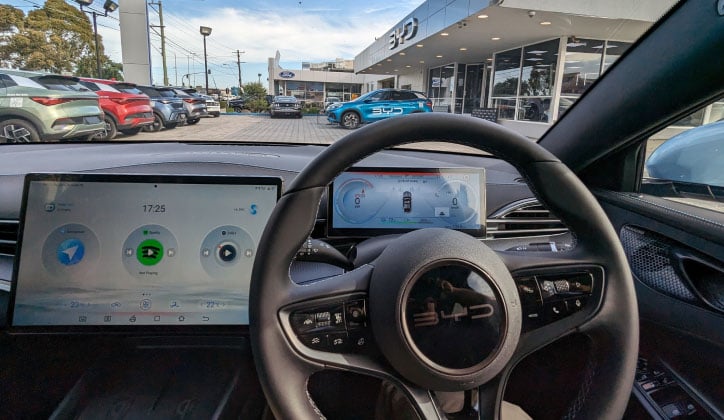
Screens in EVs are getting bigger, reflecting a general shift towards increased digital experience and connectivity in cars.
This shift is driven by a few factors including cost savings in large-screen technologies, and drivers wanting a more interactive and feature-rich infotainment system. Infotainment screens have become the central hub for vehicle functions, including navigation, media playback, climate control, and more.
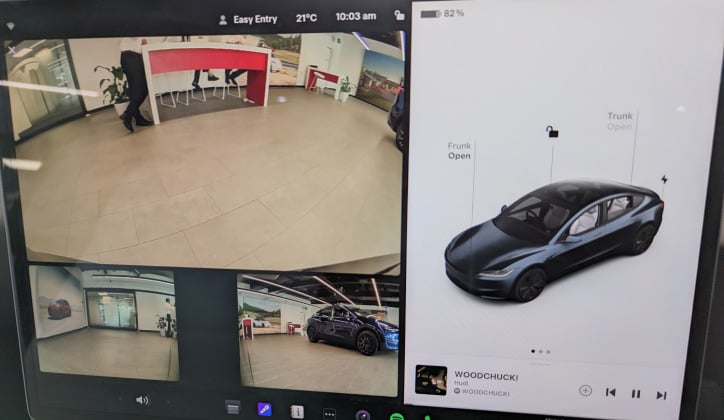
Sensors and Advanced Driver-Assistance Systems (ADAS) can collect information about the car’s surroundings and combine it with the camera data to help prevent accidents at different speeds.
This also helps other road users, like pedestrians and cyclists, where the car’s cameras can at times perceive them before the driver can, making the roads safer for everyone.
Modern EVs have a lot of safety packed into them. This includes features to make it safer for passengers and occupants of the car.
EVs can have additional safety features, such as keeping the air-conditioning on to make sure the car’s cabin stays within a safe temperature.
Some EVs also have cabin detection systems to sense if an infant or child is left in the back seat.
Some upcoming EVs take this a step further by using radars on the inside of the car to detect pets and infants, before allowing the car to be locked. When a driver attempts to lock the car, the radar system is activated and will send alerts if it detects movement inside the car.
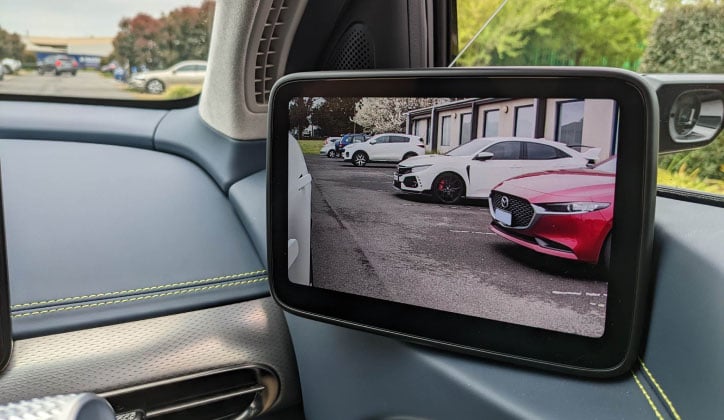
Speaking of cameras, some EVs are even removing side mirrors and replacing them with cameras and screens.
The screens on the inside can show real-time video feed from these digital mirrors. These can help with improving visibility, as the cameras can have a wider view than a conventional mirror.
When it comes to safety, digital mirrors can help with judging distances between cars when changing lanes.
Some vehicles augment lines when an indicator is turned on, so the driver can judge the distance between their car and those in the lane they’re moving into. This makes changing lanes on highways safer.
Over-the-air (OTA) updates are like receiving a software upgrade on your smartphone, but for your EV. They’re a convenient way to keep your EV up to date and ensure it's running at its best.
Car manufacturers send these updates wirelessly to your EV to improve its functionality, enhance performance, add new features including those that help make the car safer, or fix bugs, without the need for you to visit a dealership or service centre.
Often in the media, vehicles may be “recalled”, but an over-the-air update takes place to fix a potential problem.
Most EVs are equipped with Advanced driver-assistance systems (ADAS), which include automatic emergency braking, lane-keeping assistance, and adaptive cruise control, among others.
ADAS can help reduce the impact of collisions in EVs. In some instances, they can help avoid a collision all together, thanks to various sensors and software that monitor the road.
The automatic emergency braking system helps by applying brakes on a car if the car is likely to get into a collision with other vehicles on the road.
Some systems even go as far as looking out for pedestrians and other vulnerable road users like cyclists. This makes the road safer for other road users.
Lane-keeping assist is another feature as part of the ADAS in most newer cars, including EVs. It prevents the car from veering into another lane or barriers on the side of the road.
It’s worth keeping in mind that some lane-keep assist systems only activate once the car has reached a particular speed.
These systems aren’t perfect, with some cars having issues such as driving systems directing vehicles out of their lanes. So, it’s important to stay alert.
In Australia, the advancement of technology in EVs has significantly enhanced their safety, making modern cars safer than ever.
This progress is reflected in the Australian New Car Assessment Program (ANCAP) ratings, where a 5-star rating represents the highest level of safety a vehicle can achieve.
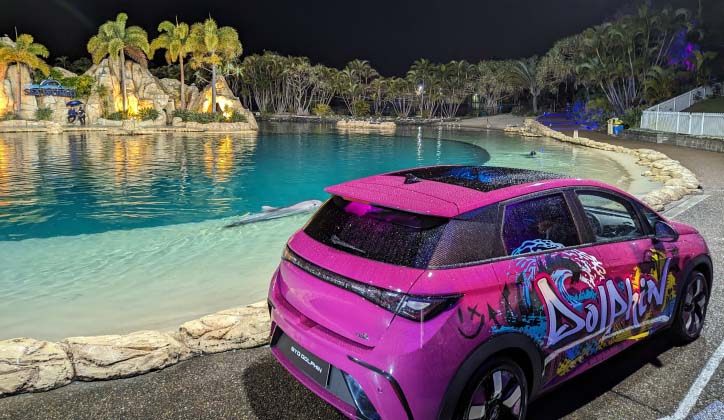
Having advanced safety technologies and achieving high ANCAP ratings highlights the car industry's commitment to enhancing vehicle safety.
This trend towards safer vehicles, supported by technological advancements, is a positive development for all road users in Australia.
If you are considering making the switch to an electric vehicle, check out the Allianz EV Hub for info and resources to help give you a head start on your EV journey.
This article has been prepared by Allianz Australia Insurance Limited ABN 15 000 122 850 AFSL234708 ("Allianz"). In some cases, information has been provided to us by third parties and while that information is believed to be accurate and reliable, its accuracy is not guaranteed in any way.
Any opinions expressed constitute our views at the time of issue and are subject to change. Neither Allianz, nor its employees or directors give any warranty of accuracy or accept responsibility for any loss or liability incurred by you in respect of any error, omission or misrepresentation in this article.
Premier Motor Insurance, Motor Insurance, and Compulsory Third Party (CTP) Insurance are provided by Allianz Australia Insurance Limited (Allianz) ABN 15 000 122 850, AFS Licence No. 234708.
Any advice here doesn’t take into account your objectives, financial situation or needs. Terms, conditions, limits, and exclusions apply. Before making a decision, consider the relevant Product Disclosure Statement (PDS) or Policy Wording, Supplementary PDS (where applicable) & PDS update (privacy notice). These, together with the relevant Target Market Determination, are available on this website.